
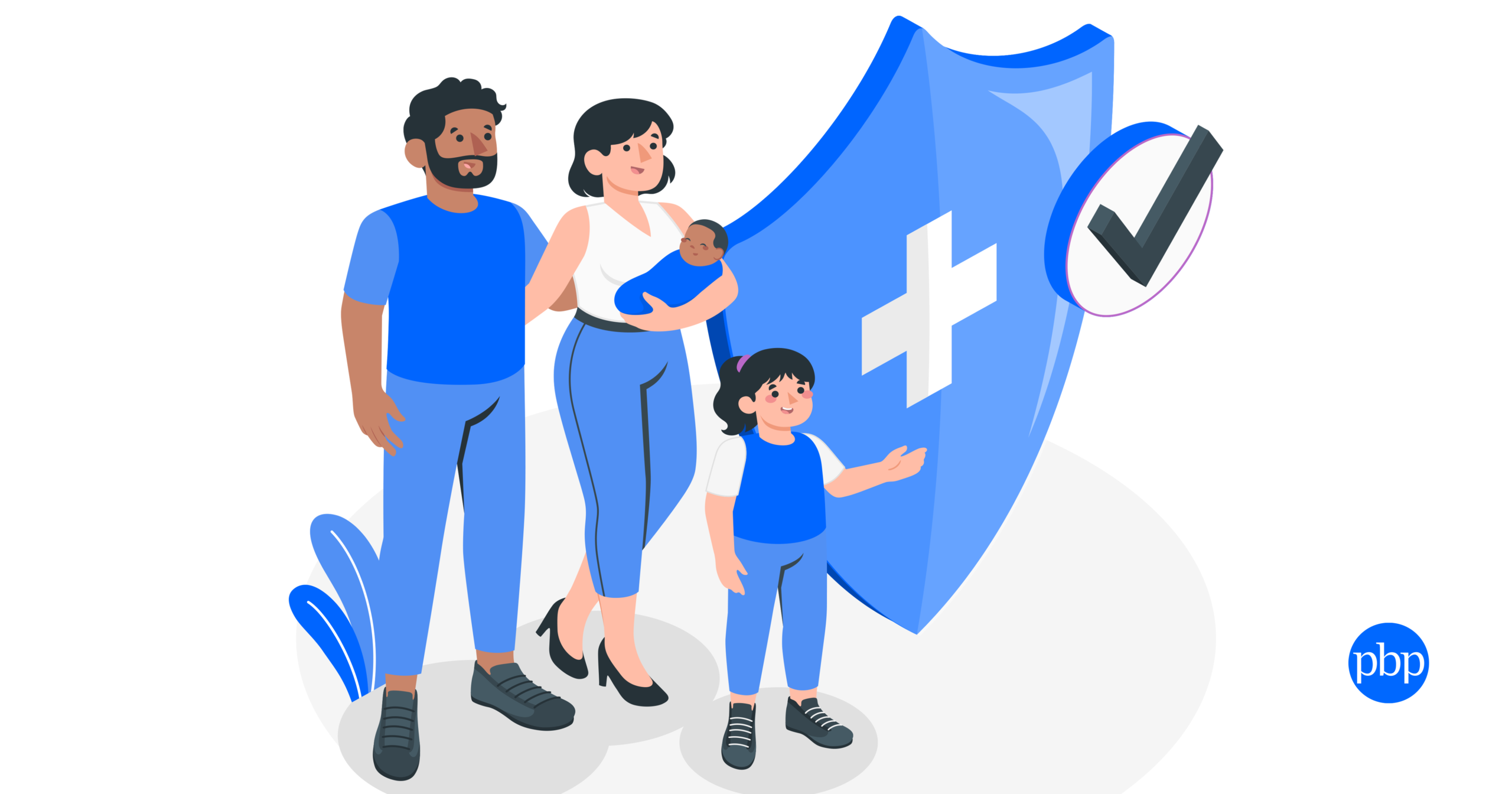
Health Insurance: Your Financial Safety Net in an Unpredictable World
Let’s be honest—health insurance doesn’t sound exciting. It’s not as flashy as a new phone or as comforting as a home-cooked meal. But when life throws a curveball (and it often does), health insurance is like that quiet friend who shows up with exactly what you need. So, what exactly is health insurance, why does it matter so much, and how do you choose the right one without losing your sanity? Let’s break it down—no jargon, no boring lectures, just real talk.
What Is Health Insurance, Really?
At its core, health insurance is a contract between you and an insurance company. You pay a fixed amount (called a premium), and in return, the insurer helps cover your medical expenses. Think of it like a financial umbrella—most days you might not need it, but when it rains, you’ll be glad it’s there.
Medical bills can pile up faster than laundry on a busy week. A single hospital visit can drain your savings if you’re uninsured. Health insurance steps in to share that burden, covering costs like doctor visits, hospital stays, medicines, and sometimes even preventive care.
Why Health Insurance Is No Longer Optional
You might think, “I’m young and healthy—why bother?” Fair question. But health emergencies don’t send invitations. An accident, sudden illness, or unexpected diagnosis can hit anyone, anytime.
Here’s why health insurance is a must-have today:
- Rising healthcare costs: Medical inflation is real, and it’s brutal.
- Financial protection: Insurance prevents your savings from vanishing overnight.
- Peace of mind: You focus on recovery, not bills.
- Access to better care: Insured patients often get quicker, better treatment.
In short, health insurance isn’t an expense—it’s an investment in your future.
Types of Health Insurance You Should Know About
Not all health insurance plans are created equal. Understanding the main types can save you from choosing the wrong one.
Individual Health Insurance
This plan covers a single person. It’s ideal for freelancers, self-employed individuals, or anyone without employer-provided coverage.
Family Health Insurance
One policy covers your entire family—spouse, kids, sometimes even parents. It’s usually more cost-effective than buying separate plans for everyone.
Employer-Sponsored Health Insurance
Provided by companies as part of employee benefits. These plans are often affordable because the employer shares the premium cost.
Senior Citizen Health Insurance
Designed specifically for older adults, these plans focus on age-related illnesses and frequent medical needs.
Each type serves a different purpose, so choosing depends on your lifestyle and responsibilities.
How Health Insurance Actually Works
Health insurance can feel like a maze, but once you understand the basics, it’s manageable.
- Premium: The amount you pay regularly to keep your policy active.
- Deductible: The amount you pay out of pocket before insurance kicks in.
- Co-payment: A fixed fee you pay for certain services, like doctor visits.
- Coverage limit: The maximum amount the insurer will pay in a year.
Imagine it like a road trip. You pay tolls (premium), cover some fuel yourself (deductible), and then the insurance company helps with the rest of the journey.
What Does Health Insurance Cover?
Coverage varies by plan, but most health insurance policies include:
- Hospitalization expenses
- Doctor consultations
- Prescription medicines
- Diagnostic tests
- Pre- and post-hospitalization costs
- Emergency services
Some plans also cover maternity care, mental health treatment, and preventive check-ups. Always read the policy details—fine print matters more than you think.
Common Myths About Health Insurance
Let’s bust a few myths that stop people from buying health insurance.
“It’s too expensive.”
Actually, medical emergencies are far more expensive. Insurance saves money in the long run.
“I’ll buy it later.”
Later often comes with higher premiums or pre-existing condition exclusions.
“I don’t need it because I’m healthy.”
Health insurance is for unexpected problems, not planned ones.
Once you see past these myths, the value becomes crystal clear.
How to Choose the Right Health Insurance Plan
Choosing a health insurance plan doesn’t have to feel like rocket science. Here’s how to make a smart choice:
- Assess your needs: Single, married, kids, parents—your situation matters.
- Check coverage: Make sure it includes what you’re most likely to need.
- Compare premiums and benefits: Cheap isn’t always better.
- Look at the hospital network: Your preferred hospitals should be included.
- Read reviews: A company’s claim process reputation is crucial.
Think of it like buying shoes. The right fit matters more than the brand name.
The Role of Health Insurance in Long-Term Financial Planning
Health insurance isn’t just about medical care—it’s a cornerstone of smart financial planning. Without it, one serious illness can wipe out years of savings. With it, your financial goals stay on track.
It protects your emergency fund, safeguards your family’s future, and ensures that health issues don’t turn into financial disasters. In that sense, health insurance is less about health and more about stability.
Digital Health Insurance: The Modern Upgrade
The insurance world has gone digital—and that’s good news for you. Today, you can buy, renew, and claim health insurance online without paperwork headaches.
Benefits of digital health insurance include:
- Easy comparisons
- Faster claim settlements
- Paperless documentation
- 24/7 customer support
It’s like switching from a flip phone to a smartphone—once you do, there’s no going back.
Conclusion: Health Insurance Is Your Backup Plan for Life
Life is unpredictable. One moment everything’s fine, the next you’re dealing with hospital bills and stress. Health insurance doesn’t stop bad things from happening, but it makes sure they don’t ruin you financially.
Think of health insurance as a safety harness—you hope you never need it, but when you do, it can save you from a hard fall. So don’t wait for a wake-up call. Choose the right health insurance plan today and give yourself something priceless: peace of mind.