Texas Football The Heartbeat of a Football-Loving State
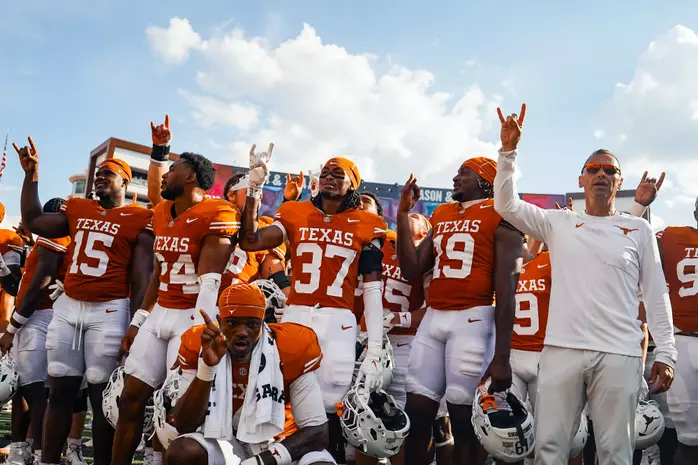
Few things define Texas quite like football.
From packed high school stadiums on Friday nights to roaring college crowds on Saturdays, football is more than just a sport in the Lone Star State. It is part of the culture, a tradition passed from one generation to the next. For many Texans, game day feels almost like a holiday.
But what makes Texas football so special? Is it the history, the rivalries, the players, or simply the unmatched passion of the fans? The answer is probably all of them.
Why Football Means So Much in Texas
Walk through a Texas town on a fall evening and you can feel the excitement in the air. Stadium lights shine brightly, marching bands warm up, and fans arrive wearing their team colors.
Football has a unique ability to bring communities together. Families, students, alumni, and longtime supporters can all gather around the same team and share the same emotions.
In Texas, football often becomes a local identity. A high school team isn’t simply a group of athletes; it can represent an entire community. That’s one reason why games regularly attract impressive crowds, even at the high school level.
Think of it as a giant family reunion—with shoulder pads, helmets, and a scoreboard.
The Rise of High School Football
High school football is one of the most recognizable parts of Texas sports culture.
Friday night games have become legendary across the state. Some schools play in relatively small stadiums, while others compete in massive venues that can hold thousands of spectators.
The commitment goes far beyond the players. Coaches spend countless hours preparing teams, parents support young athletes, students organize cheers, and local businesses often rally behind their schools.
Texas high school football has also produced countless athletes who eventually played at major college programs and in professional football. For talented players, a high school field can be the first step toward a much bigger dream.
The pressure can be intense, but so can the reward.
Texas College Football Takes Center Stage
If Friday belongs to high school football, Saturday belongs to college football.
The state is home to major programs with enormous fan bases, rich traditions, and national ambitions. Among the most famous is the University of Texas, whose Longhorns have become one of the most recognizable brands in college sports.
Texas Longhorns football carries a huge following, and games at Darrell K Royal–Texas Memorial Stadium can create an atmosphere that is difficult to describe until you’ve experienced it.
College football in Texas isn’t limited to one program, though. Several universities compete at a high level, creating a landscape filled with rivalries, recruiting battles, conference drama, and postseason excitement.
For fans, every Saturday brings another reason to watch.
Rivalries Make Texas Football Even Better
What is football without a little rivalry?
Texas has no shortage of them.
Historic matchups have created some of the most memorable moments in college football. Rivalries are about much more than rankings. They’re about bragging rights, tradition, family debates, and years of history.
A rivalry game can turn an ordinary season into something unforgettable. Even when a team isn’t having its best year, beating a major rival can make the entire season feel worthwhile.
That’s the beauty of sports: sometimes one afternoon matters more than everything that came before it.
The NFL’s Connection to Texas
Texas also plays an important role in professional football.
The state has two NFL franchises: the Dallas Cowboys and the Houston Texans. Both have passionate fan bases and significant influence on the state’s football culture.
Dallas Cowboys have been one of the most recognizable franchises in American sports for decades. Their nickname, “America’s Team,” reflects their enormous national following.
Meanwhile, the Houston Texans have built their own identity since joining the NFL in 2002.
For Texans, professional football adds another layer to an already crowded football calendar. High school on Friday, college on Saturday, and the NFL on Sunday? That sounds like a pretty good weekend to many fans.
Texas Football and Player Development
One major reason Texas remains a football powerhouse is its talent pool.
With a huge population and thousands of young athletes participating in football, the state consistently produces elite players. College recruiters regularly pay close attention to Texas high schools because the next major star could be playing on almost any field.
Player development starts early. Young athletes learn fundamentals, discipline, teamwork, and leadership through organized football.
Of course, talent alone isn’t enough. Coaching matters enormously. A great coach can turn raw athletic ability into polished football skills, while also teaching players how to handle pressure and adversity.
That’s a valuable lesson both on and off the field.
The Business Behind Texas Football
Texas football is also a massive economic and entertainment industry.
Major games attract visitors, fill hotels, increase restaurant traffic, and generate merchandise sales. Large stadiums require staff, security, vendors, transportation services, and countless other workers.
College football has become particularly important financially, with media rights, sponsorships, ticket sales, merchandise, and other revenue streams playing major roles.
But the business side doesn’t completely explain the passion.
People don’t spend hours watching football simply because it’s profitable. They watch because they care.
They remember the legendary players. They remember the close games. They remember where they were when their team pulled off an unbelievable comeback.
Those memories are priceless.
The Future of Texas Football
Texas football continues to evolve.
College football has experienced major changes involving conferences, player compensation, transfer opportunities, recruiting, and the expanded role of media. These changes have altered how programs build their teams and compete nationally.
Texas programs are adapting to this new environment.
The state’s size, football tradition, recruiting strength, and enormous fan bases give its teams plenty of advantages. However, modern football is highly competitive, and past success never guarantees future results.
Teams must continue developing players, recruiting effectively, embracing technology, and adapting to new strategies.
The game keeps changing—but the passion remains.
Why Fans Keep Coming Back
At its core, football is about stories.
It’s the underdog trying to defeat a powerhouse. It’s the senior playing his final home game. It’s the quarterback making a dramatic fourth-quarter comeback. It’s the coach getting his first big win.
Those moments create emotional connections.
For Texas fans, football can become part of their personal history. They may remember attending games with their parents, cheering alongside friends, or watching a championship with their entire community.
That’s why Texas football feels bigger than a scoreboard.
Conclusion: Texas Football Is More Than a Game
Texas football is a mixture of tradition, competition, community, and unforgettable moments. From Friday night high school games to major college matchups and NFL Sundays, football occupies a special place in the state’s culture.
The sport has changed over the years, and it will continue to change. New players will become stars, new rivalries will emerge, and new championship memories will be created.
Yet one thing is unlikely to change: Texans will keep showing up.
They’ll fill the stands, wear their team colors, argue about rankings, celebrate victories, and support their players.
Because in Texas, football isn’t simply something you watch.
It’s something you live.